Finding the Best Roofing Contractor: Vital Questions to Request Before You Employ
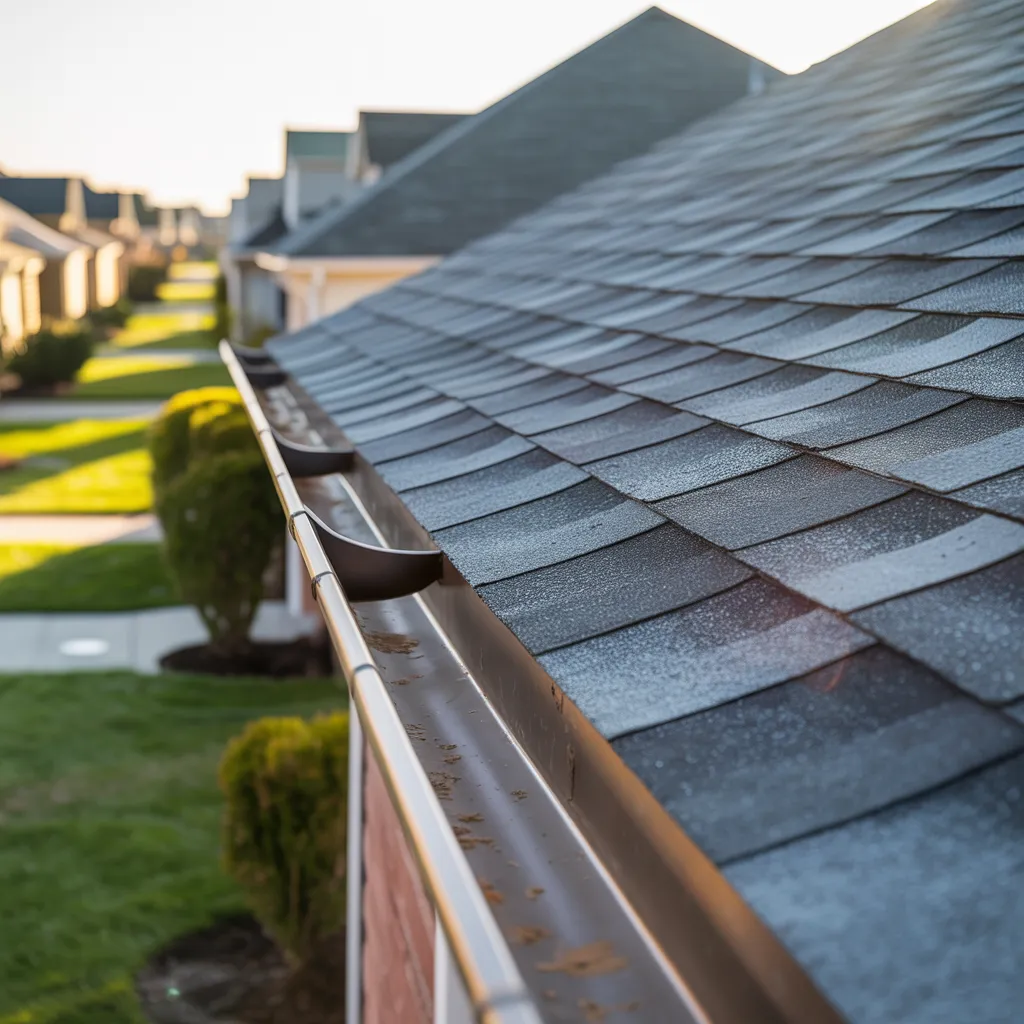
Selecting the right roofing contractor is a crucial choice for homeowners. Numerous factors affect the quality of work and overall contentment. Credentials, expertise, and warranties are just a few of the essential aspects to take into account. By asking the appropriate questions, homeowners can establish expectations and guarantee a seamless process. However, understanding these elements is only the beginning. What specific inquiries should be emphasized to prevent future complications?
What Qualifications Determine an Outstanding Roofing Contractor?
What baseline skills should one factor in when choosing a roofing contractor? A reliable contractor should carry proper licensing and insurance, proving respect with local regulations and safeguards against financial exposure. expertise in the industry is essential; seasoned contractors are more qualified to handle unexpected challenges successfully. Additionally, a excellent portfolio featuring previous work provides clarity into their build quality and style.
Certifications from manufacturers can demonstrate expertise in specific roofing systems, while membership in professional associations often shows commitment to guidelines and continuous learning. Another important factor is references; positive testimonials from satisfied clients can provide confidence of a roofer's reliability and expertise. Finally, a clear, detailed written quote outlining extent, materials, and schedules is fundamental for transparency and informed decision-making. By evaluating these credentials, homeowners can select a roofing contractor who meets their needs and guarantees a productive project.
Guidelines for Assessing a Roofing Contractor's Professional Record?
Why should property owners guarantee that a roofing contractor maintains a solid name? One valuable technique is to seek out online reviews and testimonials. Websites such as Google, Yelp, and Angie's List regularly provide insights into past clients' experiences. Homeowners ought to also check the contractor ratings with the Better Business Bureau (BBB) to identify any concerns or unresolved issues.
Moreover, getting references from the contractor can offer a sharper image of their credibility and quality of work. Speaking to past clients enables homeowners to measure satisfaction levels and the contractor's communication to concerns.
Furthermore, it's wise to authenticate any professional affiliations or certifications, as these often signal a commitment to industry standards. Finally, communicating with local building authorities can furnish understanding of the contractor's licensing and insurance status, further confirming their credibility in the community.
Essential Roofing Warranty Kinds You Must Understand
Learning about the different kinds of roofing warranties is essential for homeowners thinking about a roof replacement or new installation. Generally, there are two types of warranties: manufacturer warranties and workmanship warranties. Manufacturer warranties cover defects in materials, typically lasting between 20 to 50 years, depending on the roofing material. These warranties guarantee that if the roofing material fails prematurely, the manufacturer will substitute it.
In contrast, labor warranties are delivered by the roof professional and safeguard the quality of installation. These protections can differ between one to ten years. It's critical for homeowners to establish the terms and conditions of both varieties, as they may contain exceptions or restrictions. Moreover, understanding whether the warranty is transferable can dramatically influence future property values. Hence, homeowners should carefully examine and discuss coverage options with their potential roof specialist to assure thorough protection.
Comparing Roofing Contractor Fee Options?
When appraising roofing contractor pricing choices, homeowners often wonder which factors influence the overall cost. Key components include the kind of roofing products chosen, as luxury options like slate or metal typically lead to higher costs versus asphalt shingles. Labor fees also serve a critical role; experienced contractors may charge more but deliver better quality. Additionally, the difficulty of the roof design influences rates; steep or multi-layered roofs require more labor and safety protocols. Homeowners should also factor in regional price disparities, as market demand and local regulations can impact expenses. It is advisable to obtain multiple quotes to compare pricing formats and guarantee openness. Finally, analyzing the contractor's reputation and past work can offer insight into whether the pricing reflects quality service and materials. Grasping these elements can enable homeowners reach informed choices that suit their budget and roofing needs.
Safety Protocols Roofing Contractors Should Follow
Selecting a roofing contractor requires careful consideration of their dedication to safety standards. Adherence to OSHA regulations, use of personal protective equipment, and the creation of safety training programs are important factors that ensure worker safety on the job site. Understanding these requirements can help homeowners make informed decisions about their roofing contractors.
OSHA Workplace Rules
Roofing specialists must observe specific OSHA compliance requirements to maintain safety on job sites. These regulations are created to minimize hazards associated with roofing work, which often involves heights and heavy materials. Contractors are required to implement fall protection systems, including railings, safety nets, or personal fall arrest systems when necessary. Additionally, they must assure that all employees are instructed on recognizing and avoiding potential safety risks. Proper scaffolding and ladder use, as well as safe handling of materials, are also essential components of OSHA compliance. Regular inspections and maintenance of equipment are mandatory to copyright safety standards. By following these guidelines, roofing contractors not only protect their workers but also increase overall project efficiency and integrity.
Personal Safety Equipment
Proper utilization of PPE is vital for roofing contractors to ensure safety on the job site. Contractors should make certain that their teams are equipped with hard hats, safety glasses, and gloves to defend against falling debris and sharp objects. Additionally, harnesses and fall protection systems are essential when working at heights, minimizing the risk of serious injury. Steel-toed boots provide required foot protection, while high-visibility clothing helps enhance worker visibility, especially in busy areas. It is also imperative that contractors consistently check and care for this equipment to verify its effectiveness. By adhering to PPE standards, roofing contractors can significantly reduce workplace hazards and create a safer environment for their crew.
Safety Training Programs
Proper safety training programs are vital in ensuring that roofing contractors can copyright safety standards on job sites. These sessions provide workers with essential knowledge concerning risks, correct equipment use, and emergency protocols. A well-structured training program should cover fall protection, ladder safety, and material handling, among other topics. Consistent refresher classes are necessary as they reinforce safe habits and accommodate evolving industry benchmarks. Contractors should be able to provide documentation of their training courses, including certifications and ongoing education initiatives. Clients are encouraged to ask about how often and how thorough these training sessions are, since following safety protocols directly affects the welfare of workers and project schedules. Highlighting safety training indicates a contractor’s commitment to professionalism and excellence in work.
Maintaining Clear Communication With Your Roofing Contractor
Building open communication with a roofing contractor is important for a successful project. Clear communication is important for establishing expectations and reduces misunderstandings that could cause costly delays or errors. Homeowners should start by discussing project durations, budget limits, and required materials. The contractor must provide detailed proposals and regular updates throughout the project.
Consistent touchpoints can ensure that the project stays on course and that any problems are resolved quickly. Homeowners should feel comfortable asking questions and seeking clarification on technical terms or processes.
Additionally, establishing desired communication methods—whether via phone, email, or in-person meetings—can enhance cooperation. Documenting conversations and agreements in writing can also act as a reference point. Ultimately, open lines of communication foster a healthy professional dynamic, making sure that both parties are aligned and content with the outcome of the roofing project.
Frequently Raised Questions
What Varieties of Roofing Materials Do You Recommend and For What Reason?
The contractor suggested asphalt shingles for affordability and durability, metal for long-term durability and efficiency gains, and slate for aesthetic appeal and lifespan. Each material provides varied benefits, serving different homeowner needs and preferences.
How Do You Manage Unexpected Issues During the Undertaking?
The contractor highlighted direct communication, explaining unexpected issues openly with clients. They outlined potential solutions and adjustments to timelines or budgets, ensuring clients felt informed and assured throughout the project's progression despite unforeseen challenges.
Would you be able to deliver a elaborate roadmap for the Roofing Project?
A reliable service provider will present a detailed timeline detailing each work phase, featuring start and end dates. This plan guarantees clarity and enables homeowners maintain expectations while enabling communication throughout the roof work.
Are You Experienced With My Particular Type of Roof?
The contractor affirmed considerable experience Premier Roofing & Exteriors with different roofing types, including the particular material in discussion. Their portfolio presented many completed projects, demonstrating ability and commitment to excellence, thus building confidence in potential clients.
What Approach Do You Follow for Clean-Up Once the Project Is Complete?
The contractor detailed a thorough clean-up procedure, including routine debris clearing, final reviews for leftover materials, and proper disposal of waste. They highlighted upholding a tidy work environment to guarantee safety and client satisfaction throughout the project.
As we finish up, we have looked at the crucial components highlighted across this study.
To summarize, choosing the right roof specialist mandates thoughtful analysis and detailed inquiry. By assessing qualifications, establishing reputation, understanding warranty types, analyzing pricing options, observing safety standards, and facilitating transparent interaction, occupants can form knowledgeable conclusions. Pursuing these steps not only protects the standard of the roofing project but also promotes peace of mind over the course. Ultimately, a appropriately selected professional can ensure a successful and fulfilling roofing experience.